Your next reading path
Books like To Kill a Mockingbird
24 connected reads, with a reason for every recommendation.

Start here
8 reading possibilities- 01

Lee’s related novel revisits Southern identity, family loyalty, and moral conflict through an adult perspective on racial injustice.
- 02

This Southern-set historical novel explores racial hierarchy and female solidarity through multiple voices challenging an unjust social order.
- 03

Gaines examines dignity, education, and moral courage in a segregated Southern community confronting institutional injustice.
- 04
 An unexpected connection
A family’s experience in the Congo offers a broader bridge from Southern moral judgment to cultural power, faith, and responsibility.
- 05

Set in the segregated South, this coming-of-age story pairs a young narrator’s search for belonging with women’s strength and compassion.
- 06
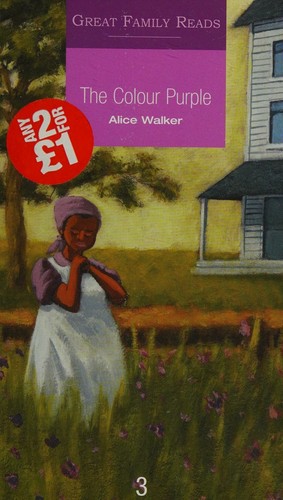
Walker’s epistolary novel confronts racism, sexism, and community judgment while tracing a woman’s hard-won independence.
- 07

Hurston’s lyrical coming-of-age novel explores race, gender, voice, and self-determination in the American South.
- 08
 An unexpected connection
Hosseini’s intimate historical drama connects through its focus on compassion, gendered injustice, and sustaining human bonds.
Explore 16 more recommendations
- 09

Multiple outsiders seek connection in a segregated Southern town marked by class tension and quiet moral yearning.
- 10

Faulkner’s fractured family saga examines Southern decline, social hierarchy, memory, and the consequences of inherited prejudice.
- 11

This demanding Southern Gothic novel investigates how family ambition, slavery, and racial ideology shape generations.
- 12
 An unexpected connection
A restrained English butler’s retrospective journey explores obedience, class, and the difficult recognition of moral responsibility.
- 13

A young narrator’s journey along the Mississippi tests inherited racism against emerging empathy and personal conscience.
- 14

Steinbeck combines family storytelling with a sweeping critique of poverty, exploitation, and collective responsibility.
- 15

This compact Depression-era novel examines friendship, vulnerability, prejudice, and the limits of compassion.
- 16
 An unexpected connection
This stark father-and-son journey bridges through its central question of how compassion and ethical conduct survive extreme conditions.
- 17

Morrison exposes how racism, beauty standards, and community judgment damage a young Black girl’s sense of self.
- 18

Morrison’s novel explores female friendship, social conformity, and the competing moral codes of a Black community.
- 19

Whitehead portrays two Black teenagers confronting systemic injustice and the personal cost of maintaining moral principles.
- 20
 An unexpected connection
Powers expands the seed’s concern with moral awakening into a multi-voiced story about ecological responsibility and collective action.
- 21

This historically grounded novel complicates assumptions about power and freedom within the institution of slavery.
- 22

Whitehead transforms the Underground Railroad into a literal journey through varied systems of racial oppression and resistance.
- 23

Morrison blends historical trauma and haunting memory to explore slavery’s lasting effects on family and identity.
- 24
 An unexpected connection
Le Guin uses an unfamiliar society to question fixed gender roles, prejudice, loyalty, and the possibility of deep empathy.