Your next reading path
Books like The Tartar Steppe
19 connected reads, with a reason for every recommendation.

Start here
8 reading possibilities- 01

Kafka’s unfinished novel turns an inaccessible authority and endless waiting into a stark parable of alienation.
- 02

Its trapped protagonist confronts opaque institutions and an unknowable judgment in a similarly dreamlike atmosphere.
- 03

Beckett’s spare drama makes prolonged expectation, uncertainty, and suspended purpose its central experience.
- 04
 An unexpected connection
Testimonies from a controlled workplace on a spaceship extend Buzzati’s institutional unease into a strange, quietly destabilizing future.
- 05

This concise Argentine classic combines isolation, elusive reality, and metaphysical mystery with Buzzati-like precision.
- 06

A mysterious barrier isolates its protagonist in a quiet survival narrative about routine, uncertainty, and human limits.
- 07

Its stark journey through an emptied landscape shares The Tartar Steppe’s tension between endurance and an uncertain future.
- 08
 An unexpected connection
An endless queue before an unreachable authority provides a direct contemporary bridge from Buzzati’s waiting and institutional opacity.
Explore 11 more recommendations
- 09
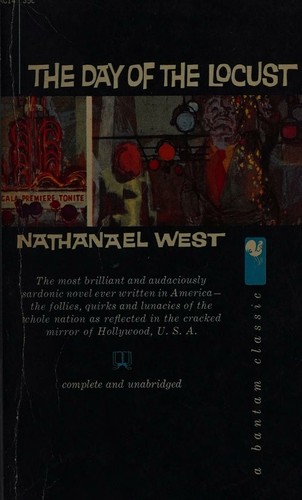
West’s compressed vision of frustrated lives and collective unease echoes Buzzati’s sense of people waiting for a transformative event.
- 10

Pessoa’s meditations turn passivity, isolation, and suspended identity into an intensely interior literary landscape.
- 11

Kundera’s novel examines contingency, repetition, and the desire for a life of consequence against a destabilized political world.
- 12

A man’s desperate movement through a hostile society creates the same claustrophobic sense of fate closing around an ordinary life.
- 13

Its aristocratic protagonist watches an old order fade, reflecting The Tartar Steppe’s preoccupation with time, decline, and missed significance.
- 14

Miéville builds an unsettling reality governed by invisible rules and institutional discipline, making it a modern speculative bridge to Buzzati.
- 15

Its circular logic, strange authorities, and destabilized landscape transform existential entrapment into grotesque comedy.
- 16

A quiet regime of disappearance and enforced forgetting creates an atmosphere of constrained existence and indefinite waiting.
- 17

Carrington’s elderly heroine enters a bizarre institutional world where authority, prophecy, and reality become playfully unstable.
- 18

An enclosed institution develops its own opaque rules and mythology, strongly echoing Buzzati’s fascination with segregated communities and hidden destinies.
- 19

Its characters move through a society awaiting catastrophe, providing a grander historical analogue to the frontier’s foreboding anticipation.