Your next reading path
Books like The Scarlet Letter
24 connected reads, with a reason for every recommendation.

Start here
8 reading possibilities- 01

Arthur Miller’s drama similarly examines Puritan authority, sexual accusation, concealed motives, and the destructive force of public judgment.
- 02

Hawthorne’s novel extends his interest in inherited guilt, New England history, moral secrecy, and the long consequences of social wrongdoing.
- 03
This story centers on a clergyman whose mysterious concealment exposes a community’s fear of hidden sin and private guilt.
- 04
 An unexpected connection
Atwood offers a speculative bridge from Puritan religious authority to a theocratic regime controlling sexuality, marriage, reproduction, and public identity.
- 05
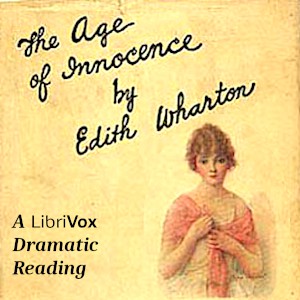
Wharton’s novel probes adultery, marriage, reputation, and the suffocating codes imposed by an insular society.
- 06
Flaubert’s realist classic examines marital dissatisfaction, adultery, social expectations, and the consequences of pursuing romantic ideals.
- 07

Chopin’s novel explores a married woman’s awakening desires and the social and emotional costs of challenging prescribed roles.
- 08
 An unexpected connection
Morrison’s haunted historical novel connects communal memory, shame, motherhood, and the persistence of past moral wounds.
Explore 16 more recommendations
- 09

Hardy connects secret wrongdoing, marriage, parenthood, and public reputation in a severe portrait of moral consequence.
- 10

Hardy’s tragedy confronts sexual double standards, illegitimacy, social condemnation, and the vulnerability of women within rigid communities.
- 11

George Eliot’s novel examines forbidden attachments, family expectations, social judgment, and the painful limits placed on women.
- 12
 An unexpected connection
Rhys’s gothic prequel-like novel bridges Hawthorne’s themes of marriage, social exclusion, gendered power, and contested identity.
- 13

Its interwoven stories scrutinize marriage, clergy, moral compromise, and the pressures of a tightly observed community.
- 14

James investigates marriage, manipulation, moral perception, and the constrained choices facing an independent woman.
- 15

Wharton’s social tragedy shows how reputation, marriage markets, secrecy, and economic dependence can destroy a woman’s prospects.
- 16
 An unexpected connection
Le Guin makes a speculative leap from restrictive social codes to a world that questions fixed gender roles, intimacy, and political allegiance.
- 17

Its ambitious protagonist navigates marriage and reputation as social instruments, echoing Hawthorne’s interest in moral compromise beneath convention.
- 18
Buck’s family saga explores marriage, sexuality, legitimacy, duty, and social hierarchy through the pressures of a changing rural world.
- 19

A minister’s family becomes the vehicle for examining religious authority, marriage, family secrecy, and moral judgment in an unfamiliar society.
- 20
 An unexpected connection
Ishiguro’s restrained portrait of service and regret offers a modern bridge to Hawthorne’s interest in repression, duty, secrecy, and moral self-judgment.
- 21

Smiley’s family novel reveals how patriarchal authority, buried wrongdoing, and inherited silence shape relationships across generations.
- 22

Hamilton portrays a vulnerable woman constrained by family dynamics, social isolation, and the damaging judgments of her community.
- 23

Shields’ fictional biography examines marriage, motherhood, private disappointment, and the gap between public identity and inner life.
- 24

Fowles revisits Victorian sexual conventions, scandal, gendered reputation, and the uneasy relationship between social rules and individual freedom.