Your next reading path
Books like The Recognitions
24 connected reads, with a reason for every recommendation.

Start here
8 reading possibilities- 01

Gaddis turns an intellectual dispute over authorship and copyright into a dense, comic examination of how art and law collide.
- 02

This more compact Gaddis novel retains his layered, allusive style while exposing the pressures of money, media, and belief.
- 03

Gass’s formally audacious novel rewards readers drawn to demanding prose and to fiction that makes its narrator’s ideas part of the struggle.
- 04
 An unexpected connection
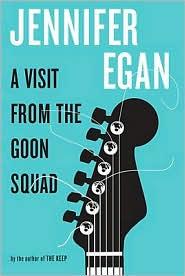
Egan’s shape-shifting linked narrative offers a more contemporary, approachable route into formally adventurous fiction about culture and creative work.
- 05

Pynchon’s labyrinthine, comic vision of power and technology offers a similarly encyclopedic challenge to Gaddis’s most ambitious readers.
- 06

Coover blends history, spectacle, and invented voices in a provocative postmodern satire of American culture.
- 07

Barth’s elaborate historical comedy shares Gaddis’s appetite for learned digression, literary play, and sustained formal invention.
- 08
 An unexpected connection
Ishiguro’s disorienting tale of an artist in an unfamiliar city bridges Gaddis’s intellectual demands with a quieter, dreamlike atmosphere.
Explore 16 more recommendations
- 09

Its sprawling historical canvas, playful voice, and philosophical detours make it a natural next step for readers of Gaddis’s expansive fiction.
- 10

Wallace’s formally intricate social satire connects with Gaddis through its restless range, intellectual density, and attention to American life.
- 11

Joyce’s allusive, formally inventive landmark is a key ancestor for the ambitious modern and postmodern fiction associated with Gaddis.
- 12
 An unexpected connection
Fowles’s playful interruptions and reflections on storytelling make this Victorian-set novel a clear bridge to self-aware postmodern fiction.
- 13

Nabokov’s novel turns the unstable relationship between a literary work and its commentary into a brilliant formal puzzle.
- 14

Gide’s self-conscious novel directly engages forgery, artistic authenticity, and the making of fiction.
- 15

Tartt’s novel follows the long reach of a famous painting through a story concerned with art, authenticity, and moral uncertainty.
- 16
 An unexpected connection
Fowles’s novel of staged illusions and uncertain authorship offers a more atmospheric, psychologically driven route toward Gaddis’s interest in deception.
- 17

This contemporary art-world mystery makes the craft and ethics of forgery its central source of intrigue.
- 18

Doctorow’s fractured account of political history shares Gaddis’s interest in how institutions and public narratives shape private lives.
- 19
Pynchon’s compact, elusive novel offers a concentrated version of the pattern-seeking and institutional satire that Gaddis readers may enjoy.
- 20
 An unexpected connection
Powers braids music, scientific ideas, and personal history into a richly structured novel for readers who welcome fiction with an expansive intellectual reach.
- 21

Musil’s unfinished modernist epic mingles social satire and philosophical reflection on a scale likely to appeal to readers of Gaddis.
- 22

Auster builds an absorbing inquiry around vanished films and artistic identity, with a self-conscious narrative sensibility.
- 23
Smith’s novel links an old master painting, a forgery, and the people whose lives become entangled with questions of authenticity.
- 24

Atwood’s layered narrative plays with authorship and embedded fiction while gradually revealing how stories can shape public and private truth.
About the book
William Gaddis’s 1955 novel is an American work of fiction concerned with art, forgery, and philosophy.
About the author
William Gaddis was an American novelist associated with postmodern fiction, known for ambitious, satirical works that examine institutions, culture, and language.