Your next reading path
Books like The Picture of Dorian Gray
24 connected reads, with a reason for every recommendation.

Start here
8 reading possibilities- 01

Like Wilde’s novel, Stevenson’s classic probes the split between respectable appearance and concealed moral life through a disturbing transformation.
- 02
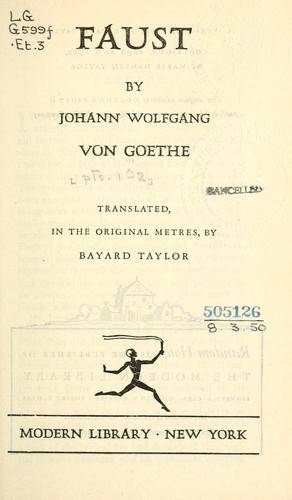
Goethe’s influential drama offers a foundational story of desire, temptation, and the moral cost of pursuing experience without limits.
- 03
Shelley’s novel shares Wilde’s interest in beauty, responsibility, and the consequences of choices that unsettle ordinary moral boundaries.
- 04
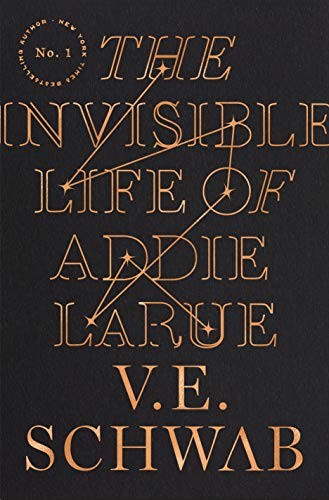 An unexpected connection
Schwab’s modern fantasy offers a fresh bridge through its exploration of an uncanny bargain, lasting youth, and the desire to leave a mark.
- 05

Fitzgerald’s portrait of glamour and self-invention makes a strong companion to Wilde’s scrutiny of surfaces and the lives behind them.
- 06

Leroux pairs theatrical spectacle with questions of appearance, concealment, and the longing to be seen.
- 07

James’s psychologically intricate novel examines self-image, social influence, and the consequences of personal choices.
- 08
 An unexpected connection
Morgenstern’s dreamlike fantasy suits readers who value elaborate beauty and theatrical illusion as much as plot.
Explore 16 more recommendations
- 09

Hawthorne’s classic explores public judgment and private conscience, making it a compelling moral counterpart to Wilde.
- 10

James’s ambiguous ghost story shares Wilde’s Victorian atmosphere of concealed truths and uncertain appearances.
- 11

Fitzgerald’s novel is a close thematic match for its focus on beauty, youth, privilege, and the erosion of purpose.
- 12
 An unexpected connection
Clarke’s enigmatic novel offers a distinct route into questions of identity and perception through an uncanny, beautifully imagined setting.
- 13

Tartt’s novel connects aesthetic ideals and cultivated self-presentation with the moral pressures of a closed social world.
- 14

Highsmith’s suspenseful study of reinvention and deception echoes Wilde’s interest in the divide between outward identity and inner life.
- 15

Wells’s novel turns a fantastical change in appearance into a sharp inquiry into power, isolation, and responsibility.
- 16
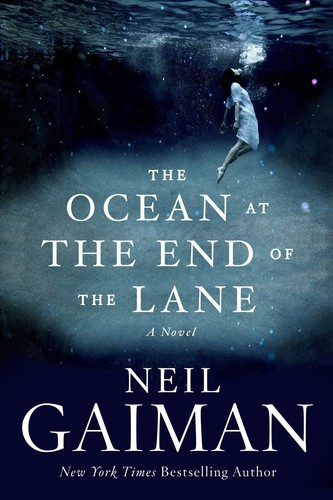 An unexpected connection
Gaiman’s lyrical fantasy connects to Wilde through its unsettling supernatural events and reflections on memory and the self.
- 17

Stoker’s gothic novel shares Wilde’s period setting and fascination with youth, seduction, and the uncanny.
- 18

Le Fanu’s atmospheric novella combines questions of youthful allure with a quietly unsettling gothic mystery.
- 19

Kafka’s transformation story offers a stark, surreal counterpoint on how physical appearance can alter identity and social standing.
- 20
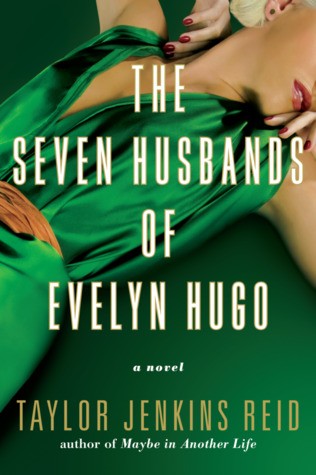 An unexpected connection
Reid’s novel is a contemporary bridge for readers interested in beauty, public image, and the private costs of self-presentation.
- 21

Huysmans’s landmark decadent novel is a particularly direct choice for readers drawn to Wilde’s art-centered sensibility and pursuit of sensation.
- 22

Hoffmann’s uncanny tale makes perception and artificial appearances central to a psychologically charged gothic narrative.
- 23

Hogg’s novel explores self-justification and divided identity through a haunting, morally ambiguous narrative.
- 24
 An unexpected connection
Wecker’s historical fantasy expands the supernatural thread into a thoughtful story about identity, belonging, and the choices that shape a life.
About the book
Oscar Wilde’s 1890 novel follows the tensions between youthful appearance, portraiture, and conduct that its supplied subject headings identify; it is widely associated with aestheticism and decadent literature.
About the author
Oscar Wilde was an Irish writer known for his wit, plays, essays, and fiction, and for his central place in late Victorian literary culture.