Your next reading path
Books like The nigger of the "Narcissus"
24 connected reads, with a reason for every recommendation.

Start here
8 reading possibilities- 01

Conrad again places a diverse shipboard community under extreme pressure, using a sea disaster to examine courage, authority, and collective behavior.
- 02

This psychologically intricate maritime novel shares Conrad’s concern with shame, duty, unreliable testimony, and the moral consequences of a crisis at sea.
- 03

Jack London’s brutal voyage aboard a sealing ship combines harsh ocean travel with an intense struggle between competing philosophies of power and humanity.
- 04
 An unexpected connection
Ballard’s flooded world is a surprising but apt bridge from Conrad’s oceanic environments to fiction where landscape destabilizes identity and civilization.
- 05

Woolf’s first novel uses an outward voyage and an isolated community to explore social conventions, consciousness, and encounters across cultural boundaries.
- 06

Its solitary sea setting and restrained study of endurance make it a concise companion to Conrad’s interest in human character tested by oceanic forces.
- 07

This foundational sea narrative turns ocean travel into a psychologically and morally charged ordeal shaped by isolation, guilt, and the uncanny.
- 08
 An unexpected connection
Le Guin’s hazardous journey across an unfamiliar world reworks Conrad’s themes of cultural estrangement, trust, and companionship under extreme conditions.
Explore 16 more recommendations
- 09

Melville’s multinational crew, commanding shipboard hierarchy, and philosophical ocean voyage strongly extend Conrad’s maritime and psychological concerns.
- 10

An isolated coastal life becomes the setting for an unreliable self-examination of obsession, vanity, and ethical blindness.
- 11

Hughes places vulnerable passengers amid Caribbean sea travel and piracy, exposing unstable moral categories through a sharply unsettling colonial perspective.
- 12
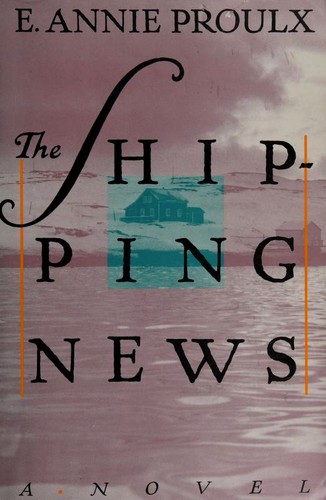 An unexpected connection
A damaged protagonist’s relocation to a harsh maritime community offers a hopeful contemporary counterpoint to Conrad’s shipboard studies of belonging and endurance.
- 13

Rhys’s Caribbean novel shares Conrad’s colonial geography while shifting attention to racialized identity, displacement, and the damage caused by unequal power.
- 14

A young captain’s first command becomes a tense passage into maturity, combining shipboard responsibility with Conrad’s characteristic moral uncertainty.
- 15

A captain’s encounter with a hidden double turns shipboard command into a compact study of identity, secrecy, and divided conscience.
- 16
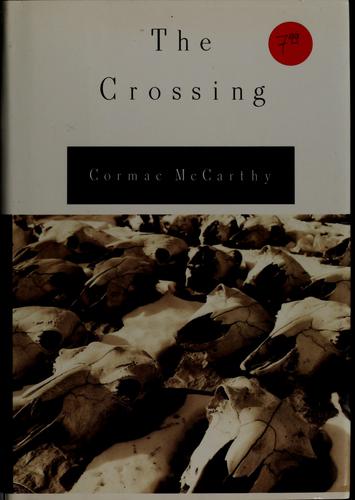 An unexpected connection
McCarthy’s stark journey fiction shares Conrad’s interest in wandering across cultural frontiers, ethical uncertainty, and the severe education of experience.
- 17

Conrad’s island narrative combines expatriate isolation, colonial social tension, and moral vulnerability in a darkly psychological plot.
- 18

Greene’s colonial setting and morally burdened protagonist echo Conrad’s interest in conscience, isolation, and the corrosive effects of imperial environments.
- 19

Forster examines the fragile possibility of cross-cultural connection under British colonial rule with the same ethical seriousness that informs Conrad’s imperial worlds.
- 20
 An unexpected connection
Baker’s intensely observant pursuit of a wild creature offers an unexpected land-based parallel to Conrad’s fixation on environment, danger, and altered perception.
- 21

This South Seas adventure brings shipboard desperation, colonial exploitation, and moral decline into a tense narrative of survival.
- 22

Cooper’s naval adventure foregrounds seamanship, command, danger, and the shaping force of life aboard a vessel.
- 23

Carson’s lyrical nonfiction supplies an expansive ocean perspective that deepens the environmental and material dimensions of maritime fiction.
- 24

James uses serious illness, social calculation, and intricate interior perspectives to explore how vulnerability reshapes relationships and ethical judgment.