Your next reading path
Books like The Left Hand of Darkness
24 connected reads, with a reason for every recommendation.

Start here
8 reading possibilities- 01

Like the seed, this Hainish Cycle novel uses an encounter between societies to probe political systems, human nature, and the limits of belonging.
- 02
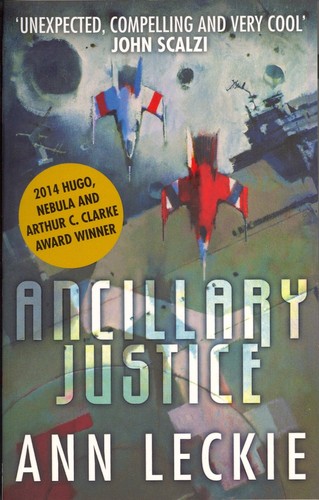
Its protagonist’s experience of a culture with unfamiliar gender conventions makes identity and social assumptions central to an expansive space opera.
- 03
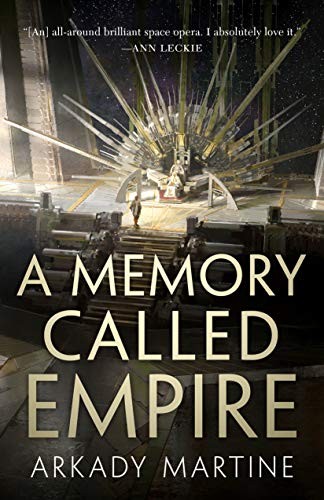
A diplomat navigating a powerful alien-to-her culture brings the seed’s interest in cultural difference into a politically intricate space setting.
- 04
 An unexpected connection
This formally adventurous imagined ethnography offers a surprising route into Le Guin’s sustained fascination with how cultures make meaning.
- 05

Le Guin again examines how contact between radically different peoples shapes power, language, and ideas of humanity.
- 06

This first Xenogenesis novel makes bodily difference, human survival, and the ethics of alien contact its central questions.
- 07
Its speculative world examines how societies define and control people marked as different, amid planetary-scale environmental upheaval.
- 08
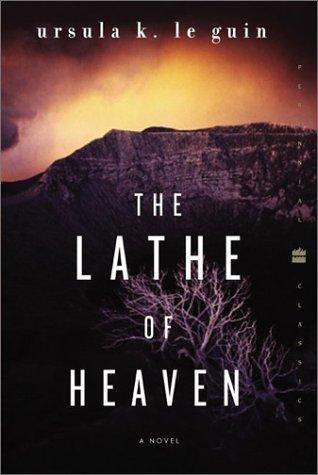 An unexpected connection
Its strange premise turns questions of power and responsibility into an intimate, dreamlike exploration of reality.
Explore 16 more recommendations
- 09
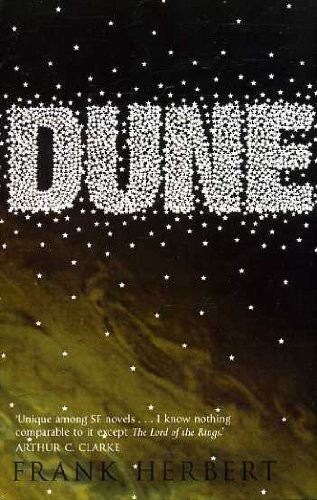
Its richly imagined society and severe environment connect with the seed’s interest in how worlds and cultures shape human life.
- 10

Its lunar society and questions of independence, governance, and collective life complement the seed’s sociological approach to science fiction.
- 11

Interstellar travel and profound cultural change make this a thoughtful counterpart on how distance and time alter human experience.
- 12
 An unexpected connection
This accessible speculative novel offers a compact look at what a society sacrifices when it tries to eliminate difference and uncertainty.
- 13

Its sharply different societies use speculative world-building to question gender roles and the assumptions behind them.
- 14

This politically focused speculative novel examines how social systems regulate gender and personal identity.
- 15

Its first-contact mission combines cultural interpretation with searching questions about human nature and the meaning of belief.
- 16
 An unexpected connection
Through brief reports from a spaceship crew, it unsettles the boundary between human and nonhuman experience.
- 17

Like Le Guin’s novel, it uses an encounter with the unfamiliar to test the limits of human understanding.
- 18

This novel examines how a society treats people who challenge its definitions of normality and human difference.
- 19

Its close attention to a crew of varied species makes cultural exchange and everyday coexistence the heart of its spacefaring story.
- 20
 An unexpected connection
Its imagined landscape uses questions of memory and collective history to examine how communities live with the past.
- 21

Though grounded in history rather than interstellar travel, it shares the seed’s forceful scrutiny of identity and the structures that shape human lives.
- 22
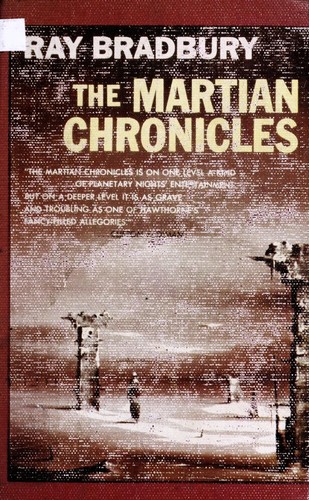
Its linked stories use the settlement of another world to reflect on human nature and the consequences of cultural contact.
- 23

Its unusual premise makes the boundaries people learn to perceive a vivid way to explore culture, identity, and social reality.
- 24
 An unexpected connection
A mystery in a city transformed by the fall of its gods connects speculative invention with the politics of culture and power.
About the book
Ursula K. Le Guin’s 1969 science-fiction novel explores human nature, gender, and space travel in an icy world; it won the 1970 Hugo Award for Best Novel.
About the author
Le Guin is celebrated for imaginative speculative fiction that uses encounters between cultures to examine society, identity, and human possibility.