Your next reading path
Books like The Gods Themselves
24 connected reads, with a reason for every recommendation.

Start here
8 reading possibilities- 01

Like Asimov’s novel, Clarke’s classic uses an encounter with a greater intelligence to ask what humanity might become.
- 02

This first-contact novel shares the seed’s fascination with alien intelligence that resists human understanding.
- 03

Sagan combines rigorous scientific ideas with the human and political consequences of contact with extraterrestrial life.
- 04
 An unexpected connection
This atmospheric expedition story offers a stranger, more ecological take on encountering an intelligence beyond human categories.
- 05

Its investigation of an enigmatic alien artifact offers the same sense of scientific wonder and unanswered cosmic questions.
- 06

Le Guin uses an unfamiliar society and form of life to examine how assumptions about humanity shape understanding.
- 07
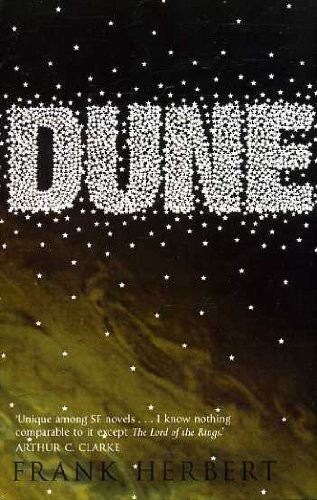
Its sweeping account of technology, ecology, and power makes it a strong match for readers drawn to civilization-scale speculation.
- 08
 An unexpected connection
Nayler connects the study of nonhuman minds with artificial intelligence and the ethical stakes of technological discovery.
Explore 16 more recommendations
- 09
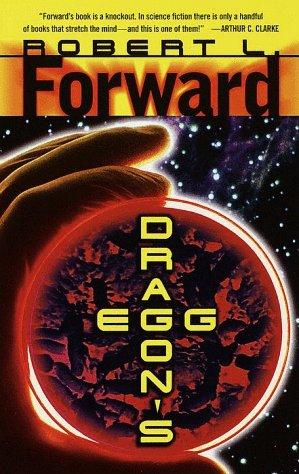
Forward builds a detailed civilization around radically different alien biology, echoing the seed’s interest in nonhuman minds.
- 10

Blish pairs alien life with deep questions about belief and ethics, complementing the seed’s philosophical reach.
- 11

Its bold extrapolation from physics to the fate of a crew offers the same pleasure of scientific ideas pushed to an extreme.
- 12
 An unexpected connection
Through a spare documentary form, this novel probes the boundary between human and artificial experience aboard a spacecraft.
- 13

Le Guin examines the systems and ideals that shape civilization through the contrasting worlds of a physicist.
- 14
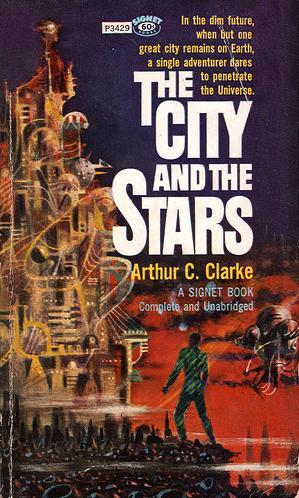
Clarke’s far-future vision connects advanced technology with questions about humanity’s limits and destiny.
- 15

Its use of relativistic travel to transform human experience makes it a natural choice for readers interested in science’s social effects.
- 16
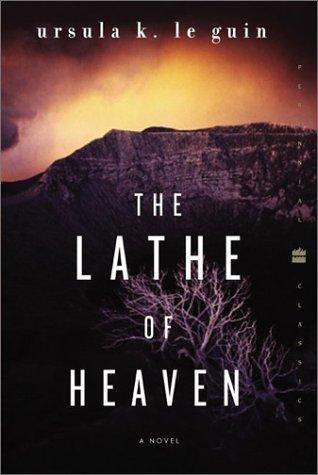 An unexpected connection
Le Guin turns a fantastic premise into a compact inquiry about the responsibilities that come with power over reality.
- 17

Clarke blends technological exploration with the puzzle of alien influence on human evolution.
- 18
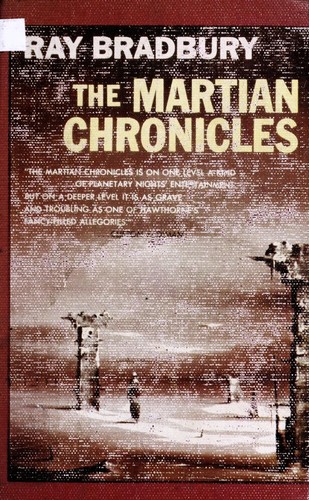
Bradbury’s linked stories use Mars and its inhabitants to reflect on human expansion and its consequences.
- 19

Its lunar society and emerging artificial intelligence connect technological speculation with questions of governance.
- 20
 An unexpected connection
Its inventive planetary setting bridges to Asimov through questions about civilization adapting to forces that reshape the world.
- 21

Niven’s grand engineering premise and encounter with unfamiliar life suit readers who enjoy large-scale scientific invention.
- 22

Dick’s unsettling speculation about technology and altered reality offers a darker, more subjective counterpart to Asimov’s ideas.
- 23

Its playful but disorienting inventions turn questions about technology and reality into a sustained philosophical puzzle.
- 24
 An unexpected connection
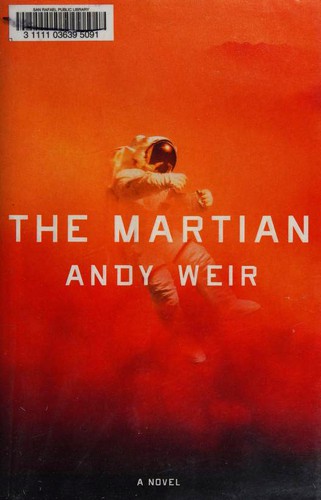
Its resourceful approach to survival through science and engineering makes a lighter, practical bridge from Asimov’s technological imagination.
About the book
Isaac Asimov’s 1972 science-fiction novel, a Hugo Award-winning work also associated with the Nebula Award, explores technology and civilization through a story that moves between human and alien worlds.
About the author
Isaac Asimov was a prolific American science-fiction author whose work often examined the social consequences of scientific and technological change.