Your next reading path
Books like The Consolation of Philosophy
22 connected reads, with a reason for every recommendation.

Start here
8 reading possibilities- 01

Seneca’s letters offer direct, practical reflections on adversity, mortality, virtue, and the disciplined search for peace.
- 02

Marcus Aurelius’s private philosophical exercises examine how to meet suffering and change through reason, duty, and acceptance.
- 03

Epictetus distills Stoic guidance on distinguishing what lies within one’s control from what must be endured.
- 04
 An unexpected connection
An aging minister’s letter becomes a gentle meditation on grace, memory, mortality, and the value of ordinary lives.
- 05
De Botton revisits major philosophers as companions for modern anxieties involving unpopularity, frustration, and uncertainty.
- 06

This foundational wisdom text confronts undeserved suffering and the limits of human explanations for misfortune.
- 07

The collected sayings of Confucius explore humane conduct, moral cultivation, and the habits that make a life honorable.
- 08
 An unexpected connection
Lewis records the destabilizing experience of grief while honestly testing the consolations of faith and reason.
Explore 14 more recommendations
- 09

Aristotle’s account of virtue and flourishing provides a systematic companion to Boethius’s questions about happiness and human purpose.
- 10

Seneca argues that life is not inherently too short but is often squandered, making attention and purposeful living forms of freedom.
- 11

Camus confronts the apparent meaninglessness of existence while defending lucid engagement with life rather than resignation.
- 12
 An unexpected connection
Powers expands questions of human purpose and responsibility into an ecological vision centered on trees and interconnected life.
- 13

De Beauvoir develops an ethics for a world without guaranteed meanings, emphasizing freedom, responsibility, and solidarity.
- 14

Schopenhauer analyzes desire and suffering while presenting aesthetic contemplation and compassion as possible forms of relief.
- 15

Nietzsche’s aphorisms test inherited values and explore how affirmation might be created after traditional certainties weaken.
- 16
 An unexpected connection
Le Guin uses an alien society and a difficult journey to examine identity, trust, mortality, and the assumptions shaping human life.
- 17

James examines religious experience as a possible source of transformation, resilience, and renewed orientation toward life.
- 18

Watts introduces Zen ideas about selfhood, suffering, spontaneity, and release from rigid conceptual thinking.
- 19
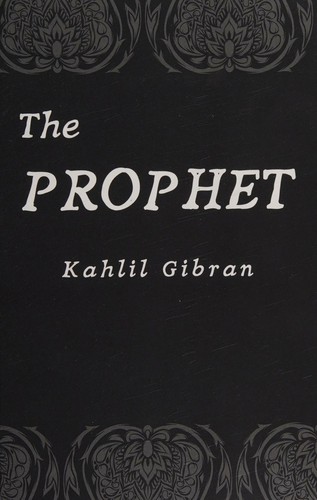
Gibran’s poetic counsel reflects on sorrow, joy, work, love, and departure in a form designed for quiet contemplation.
- 20

Pessoa’s fictional diary turns solitude, consciousness, and dissatisfaction into searching philosophical fragments.
- 21

Hadot’s study explains Marcus Aurelius’s thought as a set of spiritual exercises for transforming one’s judgment and conduct.
- 22

Pigliucci translates ancient Stoic practices into a modern program for facing setbacks, uncertainty, and ethical choice.