Your next reading path
Books like The Bluest Eye
23 connected reads, with a reason for every recommendation.

Start here
8 reading possibilities- 01

Like Morrison’s novel, this compact coming-of-age narrative follows a young girl negotiating poverty, gender expectations, cultural identity, and the desire to define herself.
- 02

Walker’s novel shares Morrison’s focus on Black women’s constrained lives, internalized oppression, and the difficult emergence of self-worth.
- 03

Janie’s search for voice and autonomy offers a broader but closely related portrait of Black womanhood, beauty, desire, and social judgment.
- 04
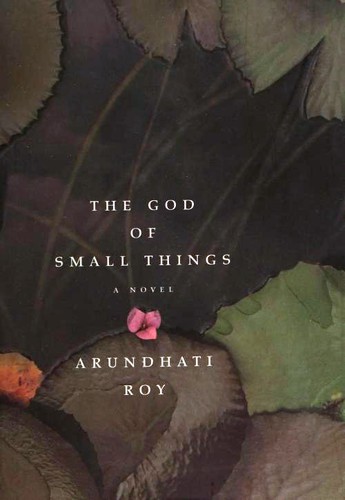 An unexpected connection
Roy offers a surprising bridge through nonlinear childhood narration and a piercing account of how social hierarchies invade family life.
- 05

Larsen’s psychologically taut novel examines colorism, whiteness, social performance, and the perilous pressures placed on Black women.
- 06

A Black girl’s perspective exposes racial injustice and family vulnerability while preserving the developing moral awareness central to Morrison’s novel.
- 07
 An unexpected connection
Its multiple perspectives and young female narrators connect to Morrison’s interest in childhood perception, imposed cultural ideals, and morally damaging power structures.
- 08

Ward similarly joins intimate family struggle, poverty, bodily vulnerability, and a young narrator’s painful movement toward adult understanding.
Explore 15 more recommendations
- 09

Silla’s girlhood in a Caribbean American family offers a nuanced companion to Morrison’s examination of identity, belonging, and inherited social pressures.
- 10

Naylor’s linked portraits similarly center Black women whose identities and possibilities are shaped by racism, sexism, community, and memory.
- 11
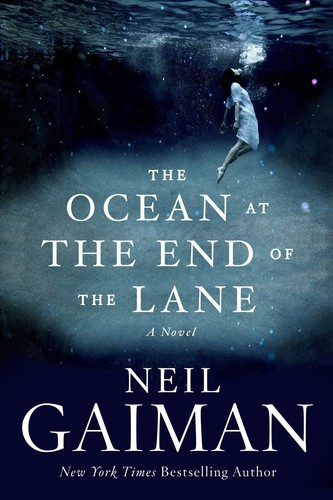 An unexpected connection
This fantasy refracts childhood vulnerability and traumatic memory through myth, offering an unexpected counterpart to Morrison’s psychologically charged treatment of youth.
- 12

Petry’s novel shares Morrison’s unsparing attention to how racism, poverty, gendered violence, and social myths constrict a Black woman’s life.
- 13

Brooks’s protagonist confronts colorism and narrow beauty standards through a restrained, humane narrative of ordinary Black womanhood.
- 14

Though centered on Chinese American families, Tan’s novel strongly echoes Morrison’s interest in inherited trauma, maternal expectations, and daughters forming independent identities.
- 15
 An unexpected connection
Ishiguro’s restrained coming-of-age novel bridges through children shaped by an oppressive social order and the quiet internalization of limited possibilities.
- 16

Jones expands Morrison’s interest in Black communities and moral injury into a layered historical examination of power, race, and compromised survival.
- 17

Whitehead’s novel links the vulnerability of Black children to racist institutions and the lasting psychological weight of imposed injustice.
- 18

Gaines explores how racist social structures damage Black men and boys while asking how dignity and responsibility can be nurtured within a community.
- 19
 An unexpected connection
Le Guin offers a speculative bridge from Morrison’s examination of socially imposed identity to a world that questions how culture constructs gender, belonging, and difference.
- 20

Miss Jane’s remembered life offers a sweeping counterpart to Morrison’s intimate focus on how racism shapes Black identity across generations.
- 21

Danticat’s novel similarly uses a young woman’s perspective to explore racial hierarchy, historical violence, memory, and the struggle to preserve selfhood.
- 22

Díaz connects bodily shame, cultural stereotypes, family history, and inherited trauma in a formally inventive account of identity under oppressive narratives.
- 23

Smith’s multigenerational novel examines how race, assimilation, beauty, and parental expectations shape children’s attempts to become themselves.