Your next reading path
Books like Mrs. Dalloway
24 connected reads, with a reason for every recommendation.

Start here
8 reading possibilities- 01

Woolf’s shifting perspectives, compressed treatment of time, and attention to family tensions make this the closest companion to Mrs. Dalloway.
- 02

Its chorus of interior voices explores identity, friendship, loss, and the passage of time with Woolf’s most concentrated psychological lyricism.
- 03

This expansive family novel shares Mrs. Dalloway’s interest in private feeling unfolding against changing social worlds.
- 04
 An unexpected connection
Winterson’s dreamlike treatment of love, identity, and wartime dislocation offers a more fantastical bridge from Woolf’s fluid treatment of consciousness.
- 05

Woolf’s fragmented portrait of an absent young man anticipates her exploration of memory, absence, and the limits of knowing another person.
- 06

This intricate account of marriage and betrayal uses retrospective narration to expose the distance between social appearances and private truths.
- 07

Like Woolf’s novel, it scrutinizes the pressures placed on women by elite social rituals, romantic expectations, and reputational judgment.
- 08
 An unexpected connection
This intimate relationship between two women examines class, secrecy, care, and the difficulty of truly understanding another person.
Explore 16 more recommendations
- 09
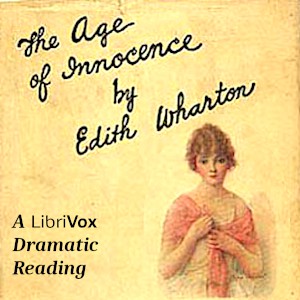
Wharton’s elegant study of convention and unfulfilled desire strongly echoes Mrs. Dalloway’s concern with socially sanctioned lives and private longing.
- 10

Its portrait of a married woman confronting desire, autonomy, and social constraint provides a clear thematic counterpart to Clarissa’s reflections.
- 11

James’s sustained attention to a woman’s inner life, choices, and social entanglements anticipates Woolf’s psychological modernism.
- 12
 An unexpected connection
Cusk’s observational structure, built from encounters and borrowed stories, offers a contemporary route into Woolf’s interest in consciousness circulating through social life.
- 13

Its contrast between social propriety and emotional freedom complements Mrs. Dalloway’s examination of constrained choices and remembered possibilities.
- 14

Forster’s interwoven families and social classes offer a similarly humane study of connection, inheritance, and the consequences of emotional blindness.
- 15

Across generations, Lawrence examines marriage, sexuality, and the struggle for inward freedom that also animates Woolf’s women characters.
- 16
 An unexpected connection
Its quiet magical realism reframes loneliness, marriage, longing, and renewal through a remote family setting far from Woolf’s urban social world.
- 17

Its formally divided narrative and candid female interiority extend Woolf’s interest in how private identity is shaped by social and historical pressures.
- 18

McCullers’s compassionate, multi-perspective novel shares Woolf’s sensitivity to isolation and the fragile connections formed within a community.
- 19

Its intensely subjective account of a woman negotiating social expectations and mental distress offers a later, sharper counterpart to Woolf’s inward style.
- 20

Cunningham’s interlinked women and one-day structures directly converse with Woolf’s treatment of time, domestic life, and emotional inheritance.
- 21

Its restrained narrator gradually reveals a life shaped by duty and missed opportunities, closely matching Woolf’s interest in memory and regret.
- 22

Barnes’s compact meditation on unreliable memory and the stories people tell about their past complements Mrs. Dalloway’s reflective structure.
- 23

Pessoa’s fragmentary inward monologues share Woolf’s fascination with consciousness, solitude, and the unstable continuity of self.
- 24

Its interwoven reflections on love, choice, repetition, and historical circumstance broaden the existential questions beneath Woolf’s social world.