Your next reading path
Books like Flowers for Algernon
23 connected reads, with a reason for every recommendation.

Start here
8 reading possibilities- 01

Like Keyes’s novel, this story examines the autonomy and identity of a neurodivergent protagonist offered an experimental treatment.
- 02

Its distinctive first-person narration invites readers to understand the world through a protagonist whose thinking differs from those around him.
- 03

This close study of a woman experiencing early-onset Alzheimer’s similarly centers the changing relationship between cognition and identity.
- 04
 An unexpected connection
Its reflective narrators and questions about who is granted full personhood offer a subtler ethical bridge to Keyes.
- 05

A brain injury reshapes a man’s sense of reality and challenges his family’s understanding of who he is.
- 06

This psychologically focused science-fiction novel follows a man confronting the loss of an extraordinary mental ability.
- 07

Its unusual group of outsiders explores questions of human potential, belonging, and what makes a mind whole.
- 08
 An unexpected connection
An observant artificial companion provides a fresh angle on cognition, empathy, and the meaning of being human.
Explore 15 more recommendations
- 09

Sacks’s compassionate neurological case histories illuminate how changes in the brain can alter perception, memory, and selfhood.
- 10

This account of experimental treatment and its consequences shares the seed’s interest in medical intervention and the people living with it.
- 11
 An unexpected connection
This spare dystopia turns memory loss into a social condition, extending the seed’s interest in the fragile foundations of identity.
- 12

Its fractured narrative includes a striking perspective shaped by intellectual disability and by a family’s responses to difference.
- 13

Steinbeck’s compact novel portrays the vulnerability and dignity of a man with an intellectual disability in a harsh social world.
- 14

A deaf-mute central character becomes a focus for questions of communication, isolation, and the assumptions others make about him.
- 15
 An unexpected connection
A young protagonist’s changing understanding of memory and emotional experience offers an accessible route into questions of human difference.
- 16

This novel considers how people who differ from accepted standards are treated in a society that fears human variation.
- 17

Kress’s novel weighs the social consequences of a biological alteration that gives some people a marked advantage.
- 18

This classic explores how individuals and societies might change when human intelligence rises dramatically.
- 19
 An unexpected connection
Its long view of knowledge, human error, and scientific power broadens the seed’s concern with the consequences of intellectual ambition.
- 20

Its experimental brain procedure raises questions about the risks and limits of using medical technology to alter behavior.
- 21

This novella follows an artificial intelligence seeking fuller human status, connecting questions of cognition with dignity and identity.
- 22
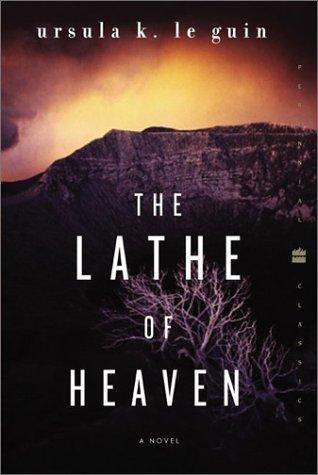
A psychiatrist’s attempt to direct a patient’s extraordinary mental power makes this a searching study of care and control.
- 23
 An unexpected connection
Liu’s speculative stories offer varied perspectives on memory, identity, and the ways technology reshapes human relationships.
About the book
Daniel Keyes’s 1966 science-fiction novel follows a man with an intellectual disability who undergoes an experimental operation intended to increase his intelligence.
About the author
Daniel Keyes was an American writer whose best-known work explores intelligence, identity, and the ethics of scientific intervention.