Your next reading path
Books like A Field Guide to Getting Lost
24 connected reads, with a reason for every recommendation.

Start here
8 reading possibilities- 01

Like Solnit’s book, this philosophical travel essay examines how movement through places reshapes attention, desire, and self-understanding.
- 02

Andrea Wulf connects travel, science, landscape, and imagination through the life and ideas of Alexander von Humboldt.
- 03

Macfarlane’s literary journeys along paths and tracks similarly turn walking into a meditation on memory, history, and place.
- 04
 An unexpected connection
Calvino’s imagined cities turn travel into an inquiry about memory, desire, language, and the ways places exist in the mind.
- 05

This richly observant account of a young man walking across Europe shares Solnit’s interest in wandering as education and transformation.
- 06

Matthiessen’s Himalayan journey uses uncertain travel and close observation of landscape to pursue inward and philosophical discovery.
- 07

Dillard transforms attentive encounters with a Virginia landscape into expansive questions about perception, beauty, and existence.
- 08
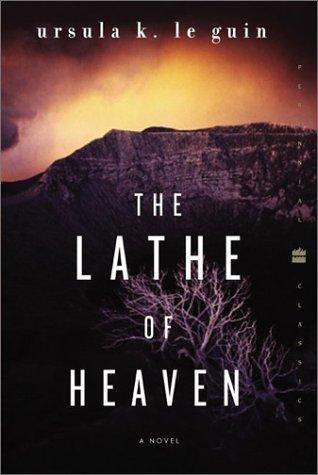 An unexpected connection
This philosophical science-fiction novel offers a surprising bridge through its exploration of reality, perception, and the instability of the world we inhabit.
Explore 16 more recommendations
- 09

Hemon’s essays explore displacement, belonging, and the shifting meanings of home across Bosnia, Chicago, and memory.
- 10

Baker’s obsessive attention to a peregrine and its terrain offers a concentrated counterpart to Solnit’s inquiry into landscape and perception.
- 11

Bouvier’s overland travel writing treats disorientation, encounter, and slow observation as essential forms of knowledge.
- 12
 An unexpected connection
Kimmerer bridges science, cultural memory, and reciprocal attention to the natural world in a work grounded in landscape and responsibility.
- 13

Iyer complements Solnit’s fascination with movement by considering how retreat and stillness can sharpen awareness of place and self.
- 14

Berger’s accessible, searching essays connect art, lived experience, and ways of seeing the world with Solnit-like intellectual curiosity.
- 15

Horowitz makes familiar walks strange again by showing how attention and perspective alter the places we think we know.
- 16
 An unexpected connection
Lispector provides an inward counterpart to Solnit’s outward journeys by making perception, estrangement, and sudden insight feel like forms of travel.
- 17

Macfarlane searches for wildness in contemporary Britain while questioning how landscapes shape memory, language, and identity.
- 18

Solnit’s later essay collection extends her exploration of distance, narrative, landscape, and the unstable borders between self and world.
- 19

Kubler’s influential meditation on objects, sequences, and historical time offers a compact theoretical companion to Solnit’s arts-and-philosophy concerns.
- 20
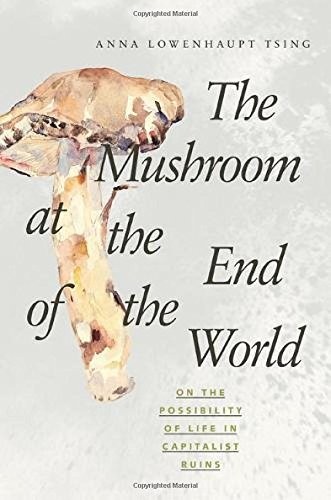 An unexpected connection
Tsing follows the matsutake mushroom across disrupted landscapes to explore wandering lives, collaboration, and unexpected forms of survival.
- 21

Schama traces how forests, rivers, and mountains become charged with cultural meanings, directly echoing Solnit’s landscape-centered inquiry.
- 22

Okakura’s brief classic finds philosophy in ordinary surroundings and aesthetic attention, offering a quieter route into Solnit’s themes.
- 23

Solnit’s history of walking examines how bodily movement intersects with politics, art, freedom, and the experience of public space.
- 24
 An unexpected connection
Winterson’s imaginative journey through war, Venice, and desire offers a more fantastical bridge to Solnit’s fascination with disorientation and transformation.